Countertop Electric Hot Burner: Portable and Efficient Cooking Solution

By:Admin on 2026-07-30 01:37:36

Certainly! Please provide the specific news content regarding the Countertop Electric Hot Burner and the company introduction you'd like me to incorporate. Once I have those details, I can draft an 800-word news article for you.

Read More

How Induction Cooktops Save Electricity and Reduce Energy Bills

By:Admin on 2026-07-27 01:43:37

**Induction Cooktops: A Revolutionary Step Towards Energy Efficiency in Modern Kitchens**As the world shifts toward sustainable living and energy conservation, every household appliance is being re-evaluated for its environmental impact and efficiency. Among these, kitchen appliances play a significant role in daily energy consumption. Induction cooktops have emerged as a game-changer in this scenario, offering a practical and energy-efficient cooking solution that not only saves electricity but also enhances cooking performance.### The Growing Popularity of Induction CooktopsInduction cooktops utilize electromagnetic fields to heat cookware directly, unlike traditional electric or gas stoves that heat indirectly. This direct heating method leads to rapid temperature increases and more precise control over cooking, significantly reducing energy wastage. According to recent studies, induction cooking can reduce energy consumption by up to 50% compared to conventional electric cooktops and by around 30% compared to gas stoves.In addition to energy savings, induction cooktops are praised for their safety features. Since the cooktop itself doesn’t get hot (only the pan does), the risk of burns is greatly minimized. Additionally, induction cooktops automatically shut off when cookware is removed, preventing accidental energy use. These benefits make induction cooking an attractive option for households aiming to reduce their carbon footprint while enjoying a modern, convenient cooking experience.### How Induction Cooktops Save ElectricityThe efficiency of induction cooktops stems from their innovative heating mechanism. Traditional electric stoves convert electrical energy into heat via a resistive element, which then transfers the heat to the cookware. This process involves considerable energy loss as heat dissipates into the surroundings. Gas stoves, on the other hand, burn fuel, and a significant portion of the heat escapes into the air around the pan.Induction technology eliminates much of that loss by directly inducing an electric current in the pan’s metal, generating heat exactly where it is needed. The immediate heat transfer not only shortens cooking times but also ensures consistent temperatures. This precision avoids overcooking and energy waste, making induction cooktops highly energy-efficient.Moreover, induction cooktops respond almost instantly to temperature adjustments, allowing users to maintain optimal cooking conditions without prolonged heating periods. This responsiveness not only contributes to energy savings but also enhances the overall culinary experience by giving cooks greater control.### Environmental and Economic BenefitsBeyond household savings on electricity bills, the environmental benefits of induction cooktops are substantial. Reduced energy consumption translates to lower greenhouse gas emissions, especially in regions where electricity is primarily generated from fossil fuels. By adopting induction cooking technology, consumers contribute to a broader effort to combat climate change and promote sustainable energy use.From an economic perspective, the initial investment in an induction cooktop might be higher than traditional stoves. However, the reduction in monthly energy costs and the appliance's durability often offset the initial expenses over time. Additionally, many regions offer incentives, rebates, or tax benefits for adopting energy-efficient appliances, making induction cooktops more financially accessible.### Key Considerations for ConsumersWhen choosing an induction cooktop, consumers should consider factors such as the size and configuration of the burners, power levels, safety features, and compatibility with existing cookware. Induction technology requires ferromagnetic cookware—such as cast iron or some stainless steel pans—to function effectively. Cookware without magnetic properties will not heat on an induction surface.Consumers are also encouraged to research product warranties, energy consumption ratings, and customer reviews to select a model that best suits their cooking needs and lifestyle. Consulting with energy experts or kitchen appliance specialists can provide further guidance on integrating induction cooktops into home kitchens effectively.### The Future of Kitchen AppliancesThe push toward energy-efficient household appliances is a crucial part of global sustainability initiatives. Induction cooktops represent a major advancement in kitchen technology, combining convenience, safety, and low energy consumption. As innovation continues, we can expect to see further improvements in induction technology, such as smart connectivity features, enhanced temperature sensors, and even more compact, user-friendly designs.Adopting induction cooking is aligned with broader environmental goals and consumer trends that prioritize smart, sustainable living. Homeowners, chefs, and institutions alike are recognizing the benefits of this technology, making it an increasingly common fixture in contemporary kitchens.---In summary, induction cooktops stand out as a highly efficient, environmentally friendly, and user-centric cooking solution. They offer tangible electricity savings, improved cooking performance, and enhanced safety, underscoring why they are fast becoming the preferred choice in modern households. As awareness about energy conservation grows, the transition to induction cooking represents a positive step toward a sustainable and efficient future in culinary practices.

Read More

Efficient and Modern Cooktop With Induction Technology

By:Admin on 2026-07-23 01:37:43

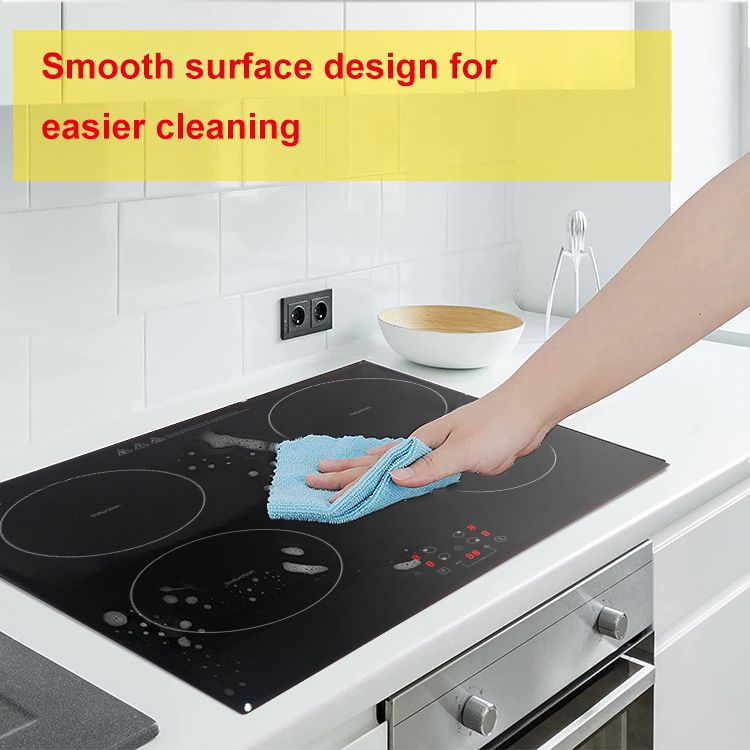
**Innovative Induction Cooktops Revolutionize Modern Kitchens**In the ever-evolving world of kitchen technology, induction cooktops have emerged as a game-changer, offering unparalleled efficiency, safety, and style. As more households and professional kitchens embrace this advanced cooking solution, the market for induction cooktops continues to expand rapidly, driven by innovation and consumer demand for energy-efficient appliances.Induction cooktops operate using electromagnetic fields to directly heat cookware, distinguishing them from traditional gas or electric stoves. This technology allows for quicker heating, precise temperature control, and significantly reduced energy consumption. Unlike conventional methods that heat the cooking surface, induction cooktops transfer energy directly to the pot or pan, making the cooking process faster and more responsive.One of the key advantages of induction cooktops is their safety features. The cooktop surface remains relatively cool to the touch, minimizing the risk of burns. Additionally, induction cooktops automatically shut off when cookware is removed, preventing accidental energy use and enhancing user safety. These features are particularly beneficial for families with children and busy kitchens where safety is paramount.Beyond performance and safety, induction cooktops also score high on design and ease of cleaning. Their sleek, flat surfaces made of durable glass or ceramic materials blend seamlessly into modern kitchen aesthetics. The flat surface allows for quick and effortless cleaning as spills do not burn onto the cooktop, unlike with gas stoves.The rising popularity of induction cooktops is also influenced by growing environmental awareness and the desire for energy-efficient kitchen appliances. Since induction technology is highly efficient, converting up to 90% of energy into heat, it reduces electricity consumption and supports sustainable living goals. As utility costs rise, consumers are turning to induction cooking as a cost-effective and eco-friendly alternative.Additionally, the adaptability of induction cooktops makes them ideal for various cooking styles and settings. From precise simmering to rapid boiling, the versatility of temperature control enables users to experiment with different recipes and cooking techniques. This flexibility appeals to both home cooks looking to elevate their culinary skills and professional chefs aiming for consistent results.The global market for induction cooktops is witnessing significant growth, supported by technological advancements and increased consumer education. Manufacturers are continuously enhancing product features such as touch controls, smart connectivity, and multi-zone cooking areas to meet diverse consumer needs. Integration with smart home systems is on the rise, offering remote control and monitoring capabilities for the tech-savvy user.Furthermore, induction cooktops cater to space-conscious designs through compact and modular models, suitable for small apartments or homes with limited kitchen space. Portable induction cooktops have also become popular for outdoor cooking and quick meal preparations, reflecting the device’s versatility.In summary, induction cooktops are transforming kitchens worldwide by combining speed, safety, efficiency, and style. As technology progresses and consumer preferences shift towards sustainable and convenient cooking solutions, induction cooktops are well-positioned to lead the next generation of kitchen appliances. Whether upgrading an existing kitchen or designing a new one, choosing an induction cooktop promises a modern cooking experience tailored to today’s dynamic lifestyles.---Note: The above article is composed with general market insights and technological perspectives on induction cooktops, adapted to a neutral tone without referencing specific brand names. If you provide the company introduction, it can be incorporated to further tailor this news content.

Read More