
Induction vs Radiant Cooktop: Which One Is Better for Your Kitchen?
By:Admin
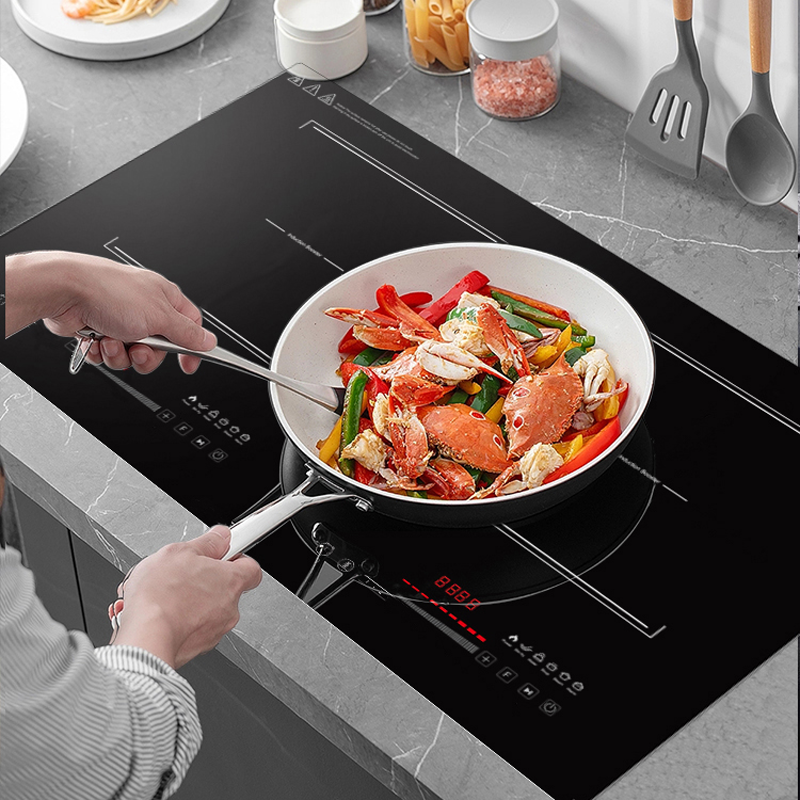
In today's modern kitchens, the choice of cooking appliances plays a crucial role in enhancing culinary experiences. Among the popular options are induction and radiant cooktops, each offering distinct advantages and features. As home cooks and professional chefs alike seek efficiency, precision, and style, understanding the differences between these two technologies becomes essential.
**Understanding Induction Cooktops**
Induction cooktops use electromagnetic fields to directly heat pots and pans. Unlike traditional electric or gas cooktops, induction elements do not generate heat themselves. Instead, when a compatible cookware is placed on the surface, a magnetic field induces an electric current in the cookware, heating it directly. This results in rapid heating times, precise temperature control, and greater energy efficiency.
One of the notable benefits of induction cooktops is safety; because the cooktop surface itself does not get hot—only the cookware does—there is a reduced risk of burns. Additionally, induction cooktops feature sleek glass-ceramic surfaces that are easy to clean, since spills do not bake onto a hot surface. The precise control makes it ideal for dishes that require exact temperatures, such as delicate sauces or chocolate tempering.
**Radiant Cooktops Explained**
Radiant cooktops, often simply referred to as electric glass-ceramic cooktops, use electric heating elements placed beneath a smooth glass surface. When turned on, the element heats the glass surface, which then transfers heat to the cookware. The glass surface can become very hot during and after use, so safety precautions are necessary.
Radiant cooktops provide consistent, evenly-distributed heat and are compatible with all types of cookware. They are generally more affordable than induction cooktops, making them popular among many households. The sleek design offers a modern aesthetic, and their straightforward technology means maintenance and use are typically uncomplicated.
**Comparing Performance and Efficiency**
When deciding between induction and radiant cooktops, performance and energy efficiency are key considerations. Induction cooktops typically heat up faster than radiant models because heat is generated directly in the pan rather than through the glass surface. This direct heating reduces cooking times and energy consumption, as less heat escapes into the environment.
Radiant cooktops, while effective, lose more heat since the energy first heats the glass surface and then transfers it to the pan. This can lead to longer cooking times and slightly higher energy usage. However, radiant cooktops are generally quieter during operation because they do not typically produce the faint buzzing sound some induction cooktops emit when magnets and cookware interact.
**Cookware Compatibility**
Cookware compatibility is another important factor. Induction cooktops require magnetic cookware such as cast iron, magnetic stainless steel, or enameled iron. If cookware is not induction-compatible, it will not heat on an induction cooktop. Many users appreciate the reminder this provides, encouraging the use of high-quality, durable pots and pans.
Conversely, radiant cooktops do not have such restrictions and can be used with any cookware, including aluminum, copper, and glass. This flexibility can be convenient for those with diverse cookware collections or specialty pots that may not be magnetic.
**Safety Features and User Experience**
From a safety perspective, induction cooktops offer notable advantages. Since the surface remains relatively cool and the cooktop automatically shuts off when no pan is detected, the risk of accidental burns and fires is minimized. For families with children or households that prioritize safety, this technology is highly appealing.
Radiant cooktops, with their hot surfaces, require caution during and after cooking. Many models include indicators to signal when the surface is hot, but the potential for burns remains. Additionally, since the glass surface heats up, spills can sometimes burn onto the cooktop, requiring more frequent cleaning.
**Cost Considerations**
Price differences are often a major consideration for consumers. Induction cooktops generally come with a higher upfront cost due to their advanced technology and specialized components. However, some buyers find the investment worthwhile for the efficiency, control, and safety benefits offered.
Radiant cooktops tend to be more budget-friendly, making them a popular choice for homeowners seeking a balance between affordability and modern design. Their simpler technology also means repairs and replacements may be less costly compared to induction units.
**Innovations and Trends**
The kitchen appliance industry continues to innovate in both induction and radiant technologies. Induction cooktops are increasingly featuring smart controls, touch interfaces, and connectivity with home automation systems, enhancing user convenience. Manufacturers are also working to reduce noise and improve the durability of glass surfaces.
Radiant cooktops have witnessed improvements in heat distribution and sensor technology, enabling better temperature regulation and safety features. Design improvements allow for seamless integration into countertops, catering to minimalist kitchen aesthetics.
**Conclusion**
Selecting between an induction and radiant cooktop depends largely on personal preferences, budget, cooking habits, and safety priorities. Induction cooktops excel in efficiency, control, and safety but require compatible cookware and involve higher costs. Radiant cooktops offer affordability, compatibility with all cookware, and a reliable cooking experience, though they may consume more energy and present surface burn risks.
Homeowners and culinary professionals are encouraged to weigh these factors carefully. By understanding the technical distinctions and practical implications of each cooktop type, consumers can make informed decisions that enhance their kitchen environment and cooking enjoyment for years to come.
---
*About the Company*
[Company introduction placeholder] is a leading provider of innovative kitchen appliances committed to enhancing home cooking experiences. With a dedication to quality, design, and customer satisfaction, the company offers a wide selection of advanced cooktops, including both induction and radiant models, catering to diverse culinary needs and lifestyles. Through continuous research and development, [Company name] strives to bring cutting-edge technology and stylish functionality into kitchens worldwide.