
Induction Cooktop vs Radiant Cooktop: Which One Is Better?
By:Admin
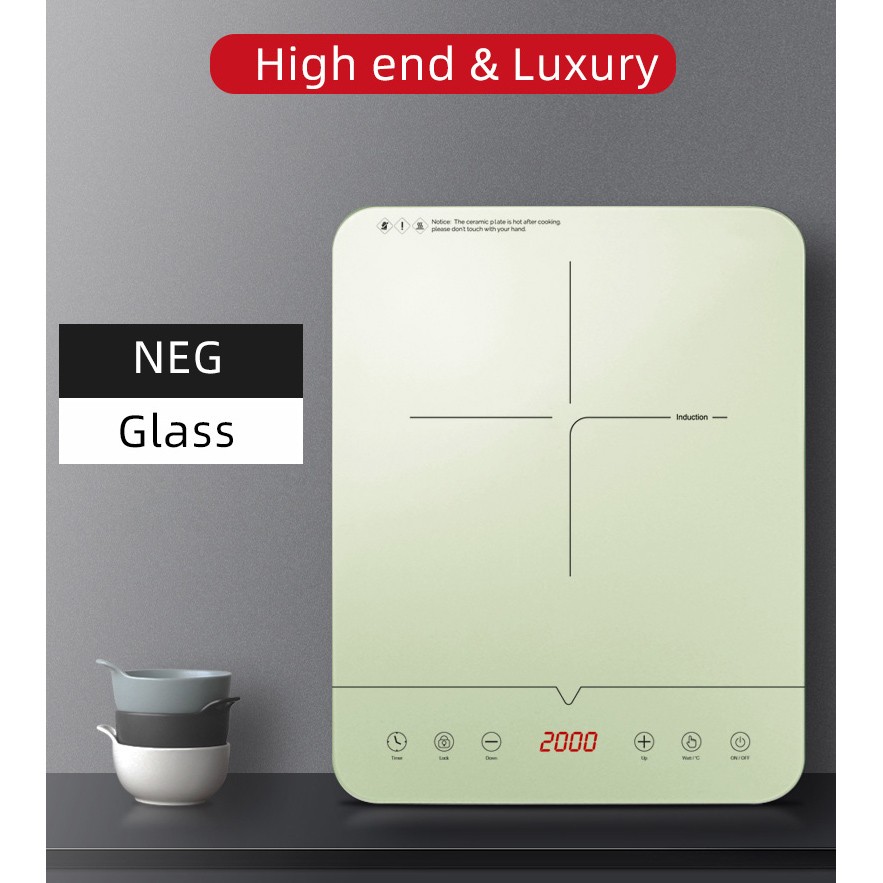
As kitchen technology evolves, consumers face a growing array of choices when it comes to selecting cooktops. Two of the most popular options are induction and radiant cooktops, each offering distinct advantages and catering to different cooking preferences. Understanding their differences can help homeowners make informed decisions tailored to their culinary needs and lifestyle.
**What Is an Induction Cooktop?**
Induction cooktops use electromagnetic energy to directly heat pots and pans. Unlike traditional electric or gas cooktops, induction transfers energy directly to the cookware through magnetic induction, resulting in rapid and precise heating. The cooktop surface itself remains cool to the touch, enhancing safety and ease of cleaning.
**What Is a Radiant Cooktop?**
Radiant cooktops, sometimes referred to as electric coil or smooth-top cooktops, use heating elements beneath a smooth glass-ceramic surface to generate heat. The heating elements warm the surface, which in turn heats the cookware. Radiant cooktops have been popular for years due to their sleek appearance and compatibility with various types of cookware.
**Key Differences Between Induction and Radiant Cooktops**
1. **Heating Efficiency and Speed**
Induction cooktops are known for their superior heating efficiency. Because heat is generated directly in the cookware, energy loss is minimal and cooking times are significantly reduced. This precise and rapid heating makes induction ideal for recipes requiring quick temperature changes.
Radiant cooktops, though efficient, heat more slowly because the element first warms the glass surface before transferring heat to the pan. This indirect heating can result in slower cooking times compared to induction.
2. **Temperature Control**
Induction cooktops provide exceptional temperature control. The magnetic field reacts instantly to adjustments in heat settings, allowing cooks to switch from simmering to boiling in moments. The precise control is particularly beneficial for delicate cooking tasks such as melting chocolate or preparing sauces.
Radiant cooktops have a slower response to temperature changes due to the thermal lag of the heating elements and glass surface. This makes fine temperature adjustments less immediate and may affect recipes that demand precise heat regulation.
3. **Safety**
One of the standout features of induction cooktops is their enhanced safety. Since the cooking surface itself does not generate heat and only cookware heats up, there is a reduced risk of burns or fire hazards. Additionally, induction cooktops often come with automatic shut-off and pan detection features.
Radiant cooktops, while safer than open gas flames, have hot surfaces that remain heated for a time after cooking, posing potential burn risks. Care should be taken when touching or cleaning the surface shortly after use.
4. **Cookware Compatibility**
Induction cooktops require cookware made of ferrous metals such as cast iron or certain types of stainless steel. Non-magnetic cookware like aluminum or glass will not work unless they have a magnetic base.
Radiant cooktops are more flexible regarding cookware, compatible with almost all materials including aluminum, copper, glass, and ceramic.
5. **Cleaning and Maintenance**
Induction cooktops feature a flat, smooth surface that remains cool during cooking, making spills less likely to burn onto the surface and easier to clean. The absence of coils and the cool surface reduce cleaning effort significantly.
Radiant cooktops also have a smooth surface, but since the glass gets hot, spills can become baked on and tough to remove. Proper care and cleaning products are necessary to maintain the cooktop's appearance.
6. **Cost**
Induction cooktops typically come with a higher upfront cost due to their advanced technology. However, their energy efficiency and cooking speed can save energy costs over time.
Radiant cooktops generally have a lower purchase price, making them attractive for budget-conscious buyers or those looking to replace older electric ranges.
**Which Cooktop Is Right for You?**
Choosing between induction and radiant cooktops depends on individual needs and preferences:
- **For speed and precision:** Induction is the clear winner, perfect for home chefs who value quick, precise cooking.
- **For cookware flexibility:** Radiant cooktops work well for those with a diverse range of pots and pans.
- **For safety:** Families with children may prefer induction for its cool-to-touch surface and automatic shut-off features.
- **For budget considerations:** Radiant cooktops offer a more affordable option without sacrificing the modern look.
As kitchen innovation progresses, the line between cooktop technologies continues to blur. Some manufacturers are integrating hybrid models that combine the benefits of both systems, offering even greater versatility.
---
**About Our Company**
With decades of experience in kitchen appliance technology, our company is committed to providing top-quality cooking solutions that blend cutting-edge innovation with user-friendly design. We specialize in developing a broad range of cooktops tailored to diverse culinary styles, ensuring every kitchen is equipped for excellence.
Our research and development team continuously explores new methods to enhance cooking performance, energy efficiency, and safety. Alongside reliable products, our dedicated customer support ensures seamless integration and satisfaction.
Whether upgrading your kitchen or equipping a brand-new home, our products deliver exceptional value and trusted performance. Explore our latest offerings to find the cooktop that perfectly complements your cooking habits and enhances your kitchen experience.
---
In summary, both induction and radiant cooktops have their merits, making them suitable for different users. By understanding their core differences and benefits, consumers can select the ideal cooking surface for their home, lifestyle, and budget. Coupled with reliable, innovative appliances from leading manufacturers, modern kitchens are more efficient and enjoyable than ever before.